
+971 54 432 6683
drtangclinic@gmail.com

Villa No 7, Opposite Emarat Petrol Station 2,
Al Wasl Road, Al Badaa Area, Dubai - Dubai

Mon – Fri: 9 AM – 10 PM
Sat: 11 AM – 7 PM | Sun: 10 AM – 8:30 PM
Posture Correction Tips to Prevent Middle Back Pain
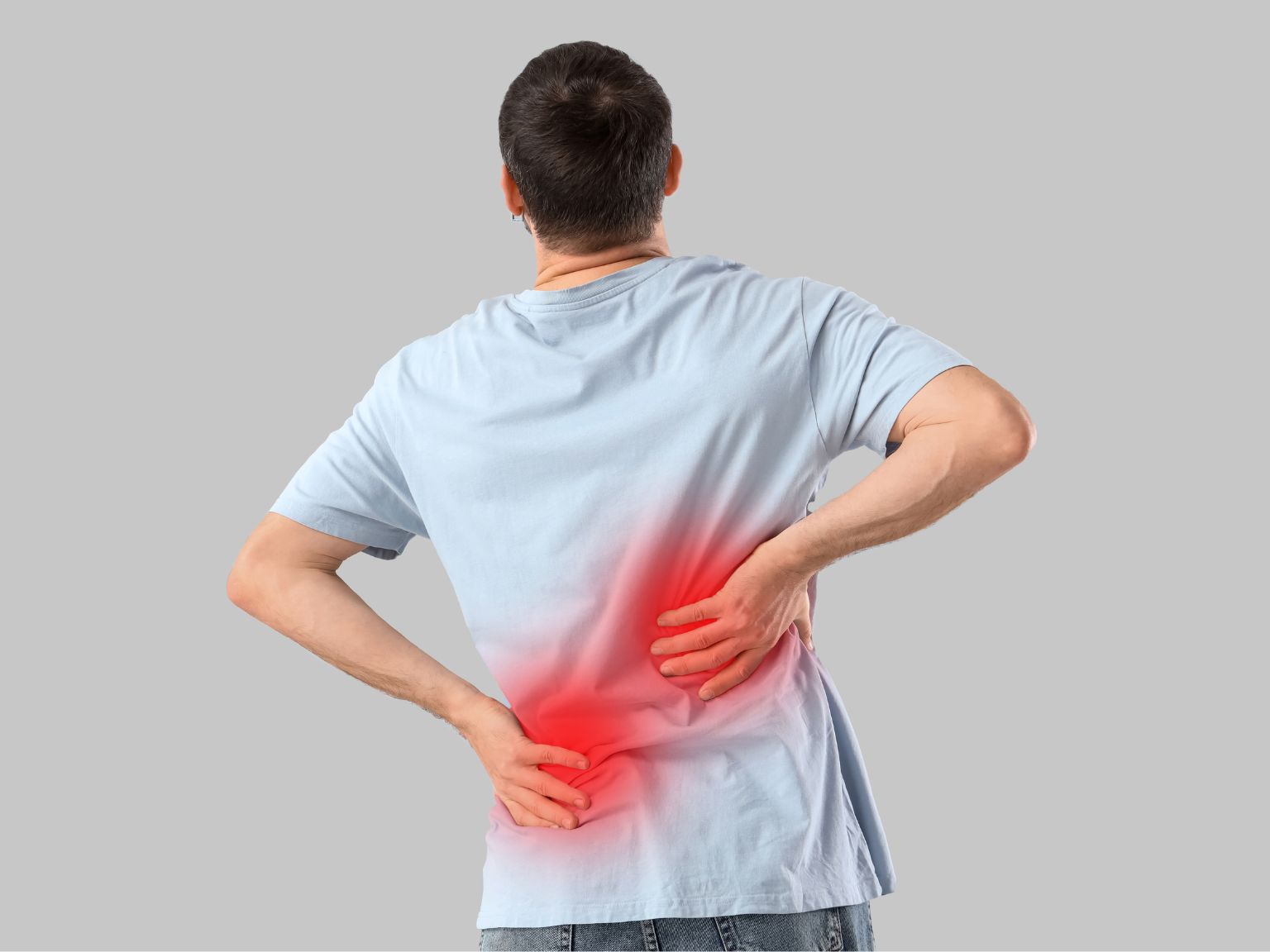
Middle back pain, often felt between the shoulder blades, is a common problem in today’s sedentary lifestyle. Long hours sitting at a desk, working on a computer, or using mobile devices can strain the thoracic spine and surrounding muscles.
While occasional discomfort is normal, poor posture over time can lead to chronic pain, stiffness, and even nerve issues. Understanding proper posture and incorporating simple corrective strategies can make a significant difference in preventing middle back pain.
Understanding the Role of Posture
Good posture ensures that your spine is aligned in its natural curves, reducing unnecessary stress on muscles, ligaments, and joints. The middle back, or thoracic spine, naturally curves outward slightly. Slouching, rounding your shoulders, or leaning forward for prolonged periods can exaggerate this curve, causing muscular fatigue and discomfort.
Correcting posture not only relieves tension but also promotes better breathing, circulation, and overall body mechanics.
1. Sit Properly at Your Desk
Sitting is one of the main contributors to middle back pain. To maintain proper posture:
- Keep both feet flat on the floor or on a footrest.
- Adjust your chair so that your knees are at a 90-degree angle.
- Sit back fully against the chair, ensuring your lower and middle back are supported.
- Avoid crossing your legs for extended periods, as it can tilt your pelvis and strain your spine.
- Using an ergonomic chair with lumbar support can also help maintain the natural curve of your thoracic spine.
2. Keep Your Screen at Eye Level
Looking down at a laptop or phone for extended periods can lead to forward head posture and rounded shoulders, increasing strain on the middle back. Place your monitor at eye level, and when using a mobile device, try to bring it up to your eyes rather than bending your neck down.
3. Strengthen Your Upper and Middle Back
Weak back muscles contribute to poor posture. Exercises that target the trapezius, rhomboids, and erector spinae can improve stability and reduce pain:
- Rows: Using resistance bands or dumbbells to pull your elbows back strengthens the upper back.
- Reverse Flys: This exercise opens up the chest and strengthens the shoulders and mid-back.
- Thoracic Extensions: Lying on a foam roller or seated back bends can improve spinal mobility.
4. Stretch the Chest and Shoulders
Tight chest muscles can pull the shoulders forward, worsening posture. Stretching regularly helps maintain balance:
- Doorway Stretch: Place your forearms on a doorway and lean forward gently.
- Chest Opener: Clasp your hands behind your back and lift your arms slightly while opening the chest.
5. Take Regular Movement Breaks
Sitting for long periods compresses the middle back. Set reminders to stand, stretch, or walk every 30–60 minutes. Even small movements like shoulder rolls or gentle twists can relieve tension and prevent stiffness.
6. Be Mindful of Your Daily Posture
Posture isn’t just about sitting. Pay attention to how you stand, walk, or carry bags. Avoid slouching, leaning on one hip, or carrying heavy bags on one shoulder. Maintaining awareness of your posture throughout the day helps reinforce healthy habits.
7. Sleep Position Matters
Your sleep posture also impacts the middle back. Sleeping on your back with a supportive pillow under your knees or on your side with a pillow between the knees helps maintain spinal alignment. Avoid sleeping on your stomach, as it can strain the middle and lower back.
Conclusion
Preventing middle back pain is largely about proactive posture correction and strengthening the supporting muscles. By paying attention to your daily habits, incorporating regular stretches and exercises, and using ergonomic aids, you can protect your thoracic spine from strain and discomfort.
Looking for the best doctor for back pain in Dubai?
At Dr. Tang Acupuncture Clinic, we offer specialized back pain treatments for all types of middle and upper back discomfort. With personalized care and expert guidance, you can achieve long-term relief while improving posture and overall spinal health.