

+971 54 432 6683
drtangclinic@gmail.com

Villa No 7, Opposite Emarat Petrol Station 2,
Al Wasl Road, Al Badaa Area, Dubai - Dubai

Mon – Fri: 9 AM – 10 PM
Sat: 11 AM – 7 PM | Sun: 10 AM – 8:30 PM
Best Exercises for Arthritis Pain Relief and Joint Mobility
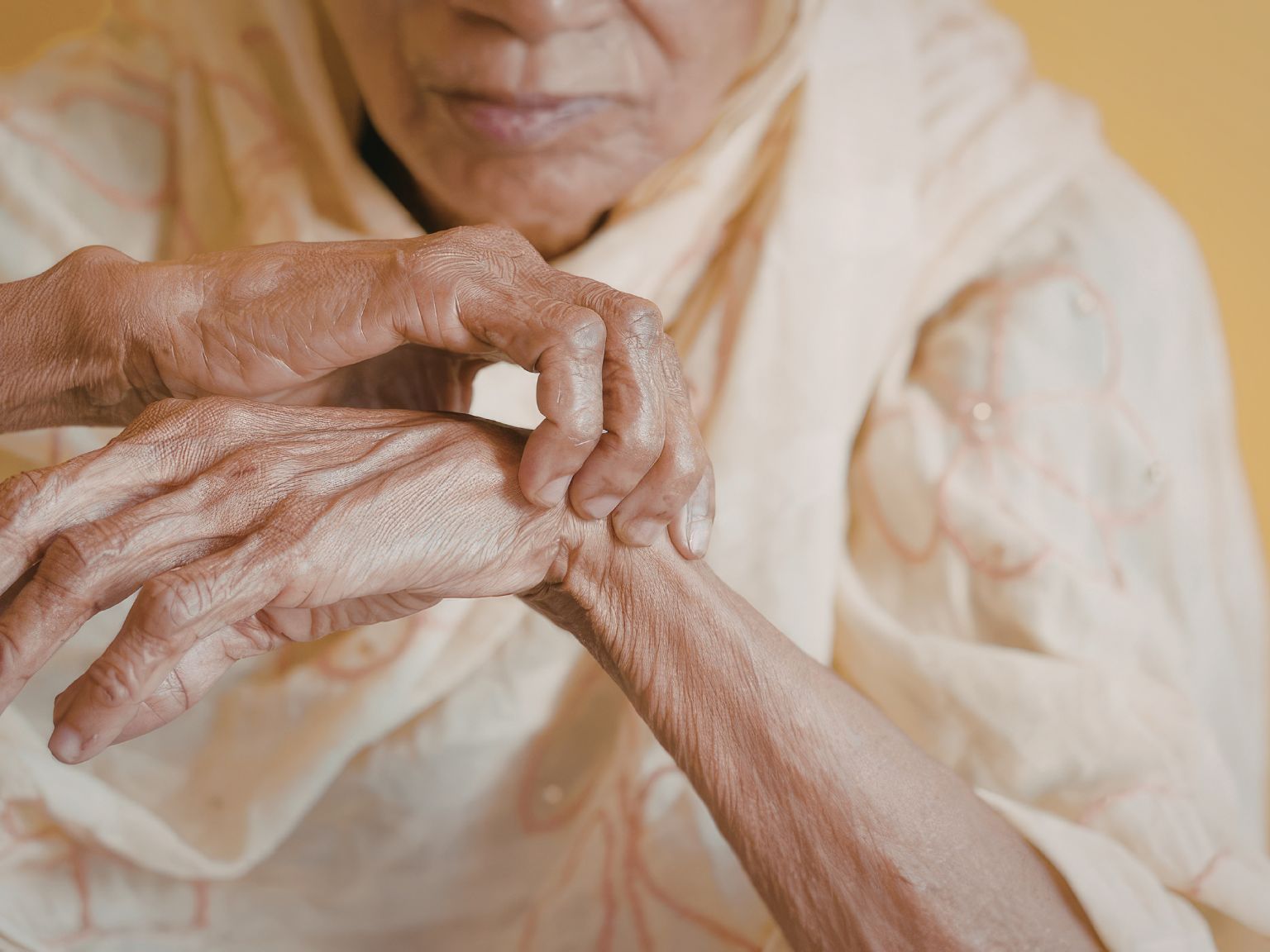
Living with arthritis can make even simple movements feel difficult. Stiffness, pain, and reduced flexibility often discourage people from staying active. However, the right kind of exercise can actually reduce pain, improve mobility, and strengthen joints over time.
The key is choosing low-impact, safe, and consistent exercises that support your joints instead of putting extra stress on them. In this guide, we’ll explore the best exercises for arthritis, along with practical tips to help you stay active and manage discomfort effectively.
Why Exercise is Important for Arthritis
Many people believe that rest is the best solution for joint pain, but too much inactivity can worsen arthritis symptoms. Regular movement helps:
- Reduce joint stiffness
- Improve flexibility and range of motion
- Strengthen muscles around joints
- Improve blood circulation
- Support healthy weight management
Even gentle exercises can make a noticeable difference when done regularly.
Best Low-Impact Exercises for Arthritis
Low-impact exercises are ideal because they minimize stress on joints while improving strength and flexibility.
Walking
Walking is one of the easiest and most effective exercises. It improves circulation, strengthens muscles, and keeps joints flexible.
- Tip: Start with short distances and gradually increase your pace and duration.
Swimming and Water Exercises
Water supports your body weight, reducing pressure on joints. Swimming and water-based exercises improve mobility and strength without causing strain. Best for knee, hip, and back pain.
Cycling
Cycling, especially on a stationary bike, is gentle on joints and helps improve endurance and mobility.
- Tip: Keep resistance low to avoid unnecessary strain.
Joint Mobility and Stretching Exercises
Stretching plays an important role in reducing stiffness and maintaining flexibility.
Range-of-Motion Exercises
These involve moving joints through their full range, such as:
- Arm circles
- Wrist rotations
- Ankle rolls
They help prevent stiffness and maintain joint function.
Yoga and Tai Chi
These practices combine slow movements, stretching, and breathing techniques. They improve flexibility, balance, and overall well-being.
Light Strength Training
Using light weights or resistance bands helps strengthen muscles around joints, providing better support and reducing pressure.
- Tip: Focus on controlled movements rather than heavy lifting.
Beginner-Friendly Routine
If you are just starting, try this simple routine:
- 5 to 10 minutes of walking
- Gentle stretching for arms, legs, and back
- 10 minutes of low-impact activity such as cycling or swimming
- Light strength exercises two to three times per week
Start slowly and increase intensity as your body adapts.
Do’s and Don’ts of Exercising with Arthritis
Do’s
- Warm up before exercising
- Start slow and progress gradually
- Use proper footwear and supportive equipment
- Stay consistent with your routine
- Pay attention to your body’s signals
Don’ts
- Avoid high-impact activities like running or jumping
- Do not push through severe pain
- Avoid sudden or jerky movements
- Do not skip rest and recovery
Safety Tips for Different Joints
- Knees: Avoid deep squats and high-impact movements. Focus on strengthening surrounding muscles.
- Hands and Wrists: Use gentle stretching and avoid excessive strain.
- Back: Maintain proper posture and avoid heavy lifting or twisting movements.
When Should You Stop Exercising?
Exercise should not cause severe discomfort. Stop if you experience:
- Sharp or intense pain
- Increased swelling
- Difficulty moving the joint
- Pain that lasts for hours after exercise
If symptoms persist, consult a healthcare professional.
Combining Exercise with Lifestyle and Treatment
Exercise is most effective when supported by healthy lifestyle habits. When paired with proper nutrition, it can further enhance joint health and help reduce inflammation through diet and lifestyle tips for people living with arthritis. If stiffness and pain persist even with regular activity, supportive therapies such as acupuncture for arthritis pain relief may help improve circulation and promote better flexibility.
Professional Support for Better Results
While exercise can significantly improve arthritis symptoms, some cases require additional support. For persistent discomfort, exploring options for arthritis treatment in Dubai can help you achieve better mobility and long-term relief, especially when combined with a structured exercise routine.
Conclusion
Staying active is one of the most effective ways to manage arthritis and protect your joints. With the right exercises, you can reduce stiffness, improve flexibility, and strengthen your body over time. The key is to start with simple, low-impact movements and remain consistent rather than overexerting yourself.
Gradually building a routine that suits your comfort level can lead to long-term improvements in mobility and daily functioning. Small, steady efforts can make a big difference in maintaining joint health and overall quality of life.
Need professional support?
For better recovery and professional support, joint pain relief Dubai at Dr. Tang Beijing Acupuncture Clinic can provide effective and personalized care for long-term improvement.