

+971 54 432 6683
drtangclinic@gmail.com

Villa No 7, Opposite Emarat Petrol Station 2,
Al Wasl Road, Al Badaa Area, Dubai - Dubai

Mon – Fri: 9 AM – 10 PM
Sat: 11 AM – 7 PM | Sun: 10 AM – 8:30 PM
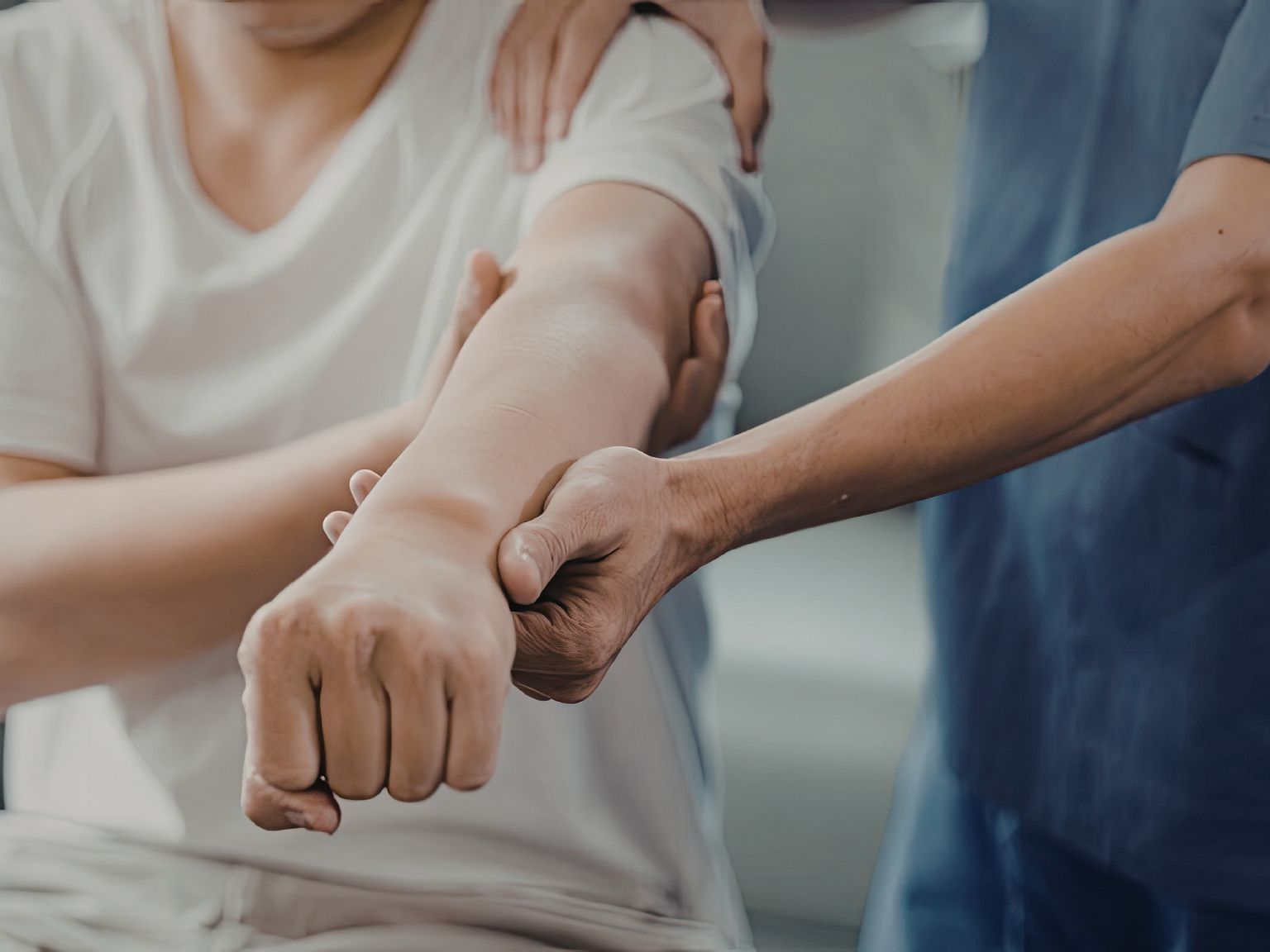
Understanding Muscle Stiffness During Physical Recovery
Muscle stiffness can occur during different stages of physical recovery. Some people notice tightness after an injury, while others experience it after periods of reduced movement or prolonged rest. It may affect everyday activities such as walking, bending, stretching, or getting up from a chair.
Understanding why stiffness occurs can help individuals discuss suitable care options with healthcare professionals. Depending on their condition, some people may also explore acupuncture as a complementary approach during rehabilitation.
Common Reasons for Muscle Stiffness
Muscle stiffness can have several possible causes, and the reason may differ from one person to another.
Some common factors include:
- Reduced physical activity: Spending extended periods resting or avoiding movement may contribute to feelings of tightness.
- Muscle strain: Physical activity, sudden movements, or overuse can sometimes leave muscles feeling stiff.
- Changes in movement: After an injury, people may adjust how they walk or perform everyday tasks, placing different demands on certain muscles.
- Prolonged sitting: Remaining in one position for long periods may contribute to temporary stiffness.
- Recovery after an injury: The body may need time and appropriate care to return to normal movement patterns.
Persistent, severe, or unexplained stiffness should be assessed by a healthcare professional rather than managed without guidance.
How Does Rehabilitation Address Muscle Stiffness?
A rehabilitation plan is generally based on the individual’s condition and physical needs. Depending on professional recommendations, it may include gentle movement, stretching, strengthening exercises, mobility activities, and physiotherapy.
These activities are selected to help individuals work towards their functional goals. The type and intensity of exercise should be appropriate for the person’s stage of recovery.
Patients should avoid forcing movements or beginning unfamiliar exercises without suitable guidance, particularly when recovering from an injury.
Understanding Acupuncture as a Complementary Approach
Acupuncture is a traditional Chinese medicine practice that involves inserting very fine needles into selected points on the body. Some individuals explore it as a complementary option when considering different approaches to muscle tension and physical recovery.
It is separate from physiotherapy and does not involve the same exercise-based methods. Whether acupuncture is appropriate depends on the person’s medical history, current condition, and professional advice.
People in Dubai who are exploring acupuncture services in Dubai may wish to understand how traditional acupuncture is approached at Dr. Tang Acupuncture Clinic.
Everyday Habits That May Support Physical Comfort
Alongside a professionally guided rehabilitation plan, certain everyday habits may help individuals manage their routine more comfortably.
These may include taking movement breaks during long periods of sitting, following recommended exercises, maintaining a suitable daily activity level, and allowing enough time for rest.
The right approach depends on individual needs, so patients should follow the advice provided by their healthcare professionals.
Acupuncture and Rehabilitation Considerations
Muscle stiffness can have different causes, which is why understanding the underlying concern is important. Individuals considering acupuncture as part of their recovery routine may also be interested in acupuncture for rehabilitation.
A practitioner’s assessment and communication with the patient’s existing healthcare team can help determine whether this complementary approach is suitable.
Final Thoughts
Muscle stiffness may be associated with reduced activity, physical strain, or changes in movement during recovery. Understanding its possible causes and following an appropriate rehabilitation plan can help individuals make informed decisions about their care. Acupuncture may be considered as a complementary option where appropriate, alongside recommended medical care and professional guidance.