
+971 54 432 6683
drtangclinic@gmail.com

Villa No 7, Opposite Emarat Petrol Station 2,
Al Wasl Road, Al Badaa Area, Dubai - Dubai

Mon – Fri: 9 AM – 10 PM
Sat: 11 AM – 7 PM | Sun: 10 AM – 8:30 PM
What is a Chinese Medical Centre and How It Works in Dubai
More people in Dubai are turning to natural and holistic healthcare than ever before. From managing chronic pain to improving fertility, reducing stress, and supporting long-term wellness, patients are looking beyond conventional medicine for answers that last.
One of the most popular choices is Traditional Chinese Medicine — and the place where you access it is called a Chinese Medical Centre.
But what exactly is a Chinese Medical Centre? How does it work? What happens when you walk through the door for the first time? And is it the right choice for you?
This complete guide answers all of those questions clearly and simply — so you know exactly what to expect before you book your first appointment.
What is a Chinese Medical Centre?
A Chinese Medical Centre is a healthcare facility that specializes in Traditional Chinese Medicine — commonly known as TCM.
Unlike a conventional clinic that focuses primarily on diagnosing and treating symptoms using pharmaceutical drugs or surgery, a Chinese Medical Centre takes a fundamentally different approach. It looks at the whole person — body, mind, and lifestyle — and works to identify and correct the underlying imbalances that are causing illness or discomfort.
Traditional Chinese Medicine is one of the oldest complete medical systems in the world, with a history spanning over 5,000 years. It was developed and refined over thousands of years in China and has since spread across the globe. The World Health Organization recognizes the role of traditional, complementary and integrative medicine in healthcare and supports its appropriate integration based on safety, quality and available scientific evidence. However, the effectiveness of individual Traditional Chinese Medicine therapies varies depending on the treatment and health condition. Patients should consult qualified healthcare professionals to understand whether a particular therapy is suitable for their needs.
A Chinese Medical Centre in Dubai brings this ancient healing system to one of the world's most modern and fast-paced cities — offering residents a natural, drug-free, and highly personalized alternative to conventional healthcare.
How is a Chinese Medical Centre Different from a Regular Clinic?
Traditional Chinese Medicine (TCM) and conventional Western medicine use different approaches to understanding health and managing medical conditions. TCM follows a traditional assessment framework that considers factors such as symptoms, tongue appearance, pulse characteristics and overall health patterns.
Conventional medicine, on the other hand, uses established clinical assessments, laboratory tests, imaging and other diagnostic methods to investigate medical conditions.
These approaches may sometimes be considered alongside each other, depending on the patient's healthcare needs. However, Traditional Chinese Medicine should not replace conventional medical diagnosis or necessary medical treatment.
The Core Principles of Traditional Chinese Medicine
To understand how a Chinese Medical Centre works, you first need to understand the core principles behind Traditional Chinese Medicine.
1. Qi — The Vital Energy
Qi (pronounced "chee") is the fundamental life energy that flows through every living body. According to TCM theory, Qi travels through invisible pathways in the body called meridians.
When Qi flows freely and abundantly, the body remains healthy, energized, and balanced. When Qi becomes blocked, weak, or excessive in certain areas, illness and pain develop.
The goal of most TCM treatments is to restore the smooth and balanced flow of Qi throughout the body.
2. Yin and Yang Balance
Yin and Yang are two opposing but complementary forces that exist within the body and throughout nature.
Yin represents cooling, calming, and nourishing energy. Yang represents warming, active, and energizing energy.
Health depends on a balanced relationship between Yin and Yang. When one becomes excessive or deficient, symptoms appear. For example:
- Too much Yang heat may cause inflammation, skin conditions, or anxiety
- Too much Yin cold may cause fatigue, poor circulation, or joint stiffness
TCM treatments work to rebalance these forces naturally.
3. The Meridian System
Meridians are the pathways through which Qi flows in the body. There are 12 main meridians, each connected to a specific organ system such as the liver, kidneys, heart, lungs, and spleen.
Acupuncture points — the specific locations used in acupuncture treatment — lie along these meridians. By stimulating these points, TCM practitioners can regulate the flow of Qi, remove blockages, and support the function of specific organ systems.
4. The Five Elements Theory
Traditional Chinese Medicine also uses the Five Elements framework to understand the relationships between different organ systems and functions in the body.
The five elements are Wood, Fire, Earth, Metal, and Water. Each element is linked to specific organs, emotions, seasons, and physiological processes.
For example:
- The Wood element is linked to the liver and gallbladder, and to emotions like frustration and anger
- The Water element is linked to the kidneys and bladder, and to fear and willpower
- The Earth element is linked to the spleen and stomach, and to digestion and worry
Understanding these relationships allows TCM practitioners to identify deeper patterns of imbalance — not just isolated symptoms.
What Treatments Does a Chinese Medical Centre Offer?
A Chinese Medical Centre typically offers a full range of Traditional Chinese Medicine therapies. Each treatment works differently and targets different aspects of health. Most treatment plans combine several therapies for best results.
Acupuncture
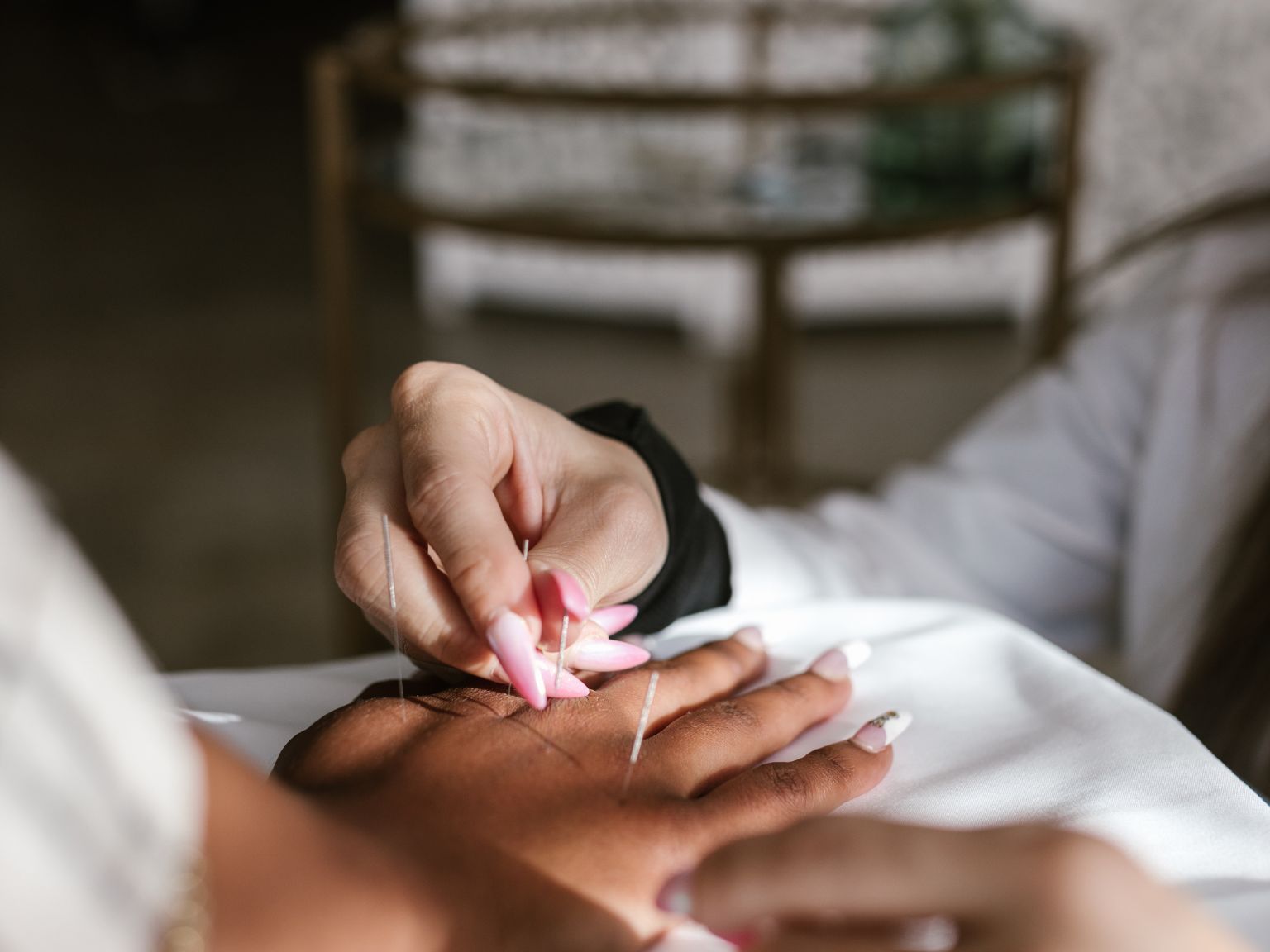
Traditional Chinese acupuncture treatment in Dubai is the most well-known TCM therapy. Very fine, sterile needles are inserted at specific points along the meridians to stimulate Qi flow, reduce pain, calm the nervous system, and support the body's natural healing processes.
Acupuncture is used for a wide range of conditions including pain, stress, insomnia, fertility issues, migraine relief , and digestive disorders.
Chinese Herbal Medicine
Chinese herbal medicine involves the prescription of customized herbal formulas based on your individual diagnosis. These formulas may include roots, bark, flowers, leaves, and other natural plant-based ingredients.
Each formula is tailored specifically to your constitution and condition — not a one-size-fits-all remedy. Herbal medicine supports internal healing, immunity, hormonal balance, and digestive health.
Cupping Therapy
Cupping therapy in Dubai involves placing heated cups on the skin to create gentle suction. This improves blood circulation, releases deep muscle tension, and supports recovery from pain and fatigue. Research suggests that cupping therapy may help relieve certain types of pain , although more high-quality studies are needed.
Cupping is particularly popular among athletes and people with chronic muscle tension or back pain.
Moxibustion
Moxibustion is a warming therapy that involves burning a dried herb called mugwort near specific acupuncture points. The gentle heat penetrates deeply into the body, improving circulation, strengthening Qi, and supporting conditions linked to cold or deficiency patterns such as joint pain, fertility issues, and digestive weakness.
Gua Sha
Gua Sha is a technique where a smooth-edged tool is used to gently scrape the skin along meridian pathways. This breaks up stagnation, improves circulation, reduces inflammation, and relieves deep muscle tension.
Tui Na Massage
Tui Na is a therapeutic Chinese medical massage that works on the meridian system and musculoskeletal structure. It is used to restore energy flow, relieve pain, improve joint mobility, and support recovery from injuries.
Electroacupuncture
Electroacupuncture combines traditional acupuncture with gentle electrical stimulation. Small clips attached to the needles deliver a mild electrical current that enhances the therapeutic effect — particularly useful for nerve pain, paralysis, and deep chronic conditions.
How Does a Chinese Medical Centre Diagnose You?
One of the most fascinating aspects of a Chinese Medical Centre is the diagnostic process. TCM diagnosis is completely different from conventional medicine — and many patients find it surprisingly detailed and insightful.
Pulse Diagnosis
The TCM practitioner will gently place their fingers on your wrist to feel your pulse. However, unlike conventional medicine which simply counts heartbeats, TCM pulse diagnosis evaluates up to 28 different qualities of the pulse — including its depth, speed, strength, rhythm, and texture.
Different pulse qualities correspond to different organ systems and patterns of imbalance. An experienced TCM practitioner can gather enormous amounts of information about your health from pulse diagnosis alone.
Tongue Analysis
The tongue is considered a map of the body's internal health in Traditional Chinese Medicine. Your practitioner will examine the color, coating, shape, and moisture of your tongue.
For example:
- A pale tongue may indicate blood deficiency or cold
- A red tongue may indicate heat or inflammation
- A thick white coating may indicate dampness or digestive weakness
- Cracks in the tongue may indicate Yin deficiency
Symptom Pattern Evaluation
Your practitioner will ask detailed questions about your symptoms, lifestyle, sleep quality, digestion, emotional state, and medical history. This comprehensive picture allows them to identify the underlying pattern of imbalance — which in TCM may look very different from a conventional diagnosis.
Two patients with the same Western diagnosis (for example, both diagnosed with IBS) may receive completely different TCM diagnoses and treatment plans — because TCM treats the individual, not the disease label.
What Health Concerns May Bring Someone to a Chinese Medical Centre?
People visit Chinese Medical Centres for different health and wellness concerns. Depending on the individual's condition and medical history, certain Traditional Chinese Medicine therapies may be considered as part of a supportive care approach.
Some common reasons people explore TCM include:
- Musculoskeletal discomfort, including back and neck pain.
- Joint stiffness and mobility concerns.
- Stress and relaxation support.
- Certain types of headaches.
- Sleep-related concerns.
- Supportive care for selected chronic health conditions.
The suitability of each therapy depends on the individual's health circumstances and available clinical evidence. Traditional Chinese Medicine should not be presented as a cure for serious medical conditions or as a replacement for prescribed treatments. For example, stroke symptoms require immediate emergency medical attention, while conditions such as diabetes, asthma and neurological disorders require appropriate medical management.
What Happens During Your First Visit to a Chinese Medical Centre?
Many people feel nervous about visiting a Chinese Medical Centre for the first time — especially if they have never experienced acupuncture or TCM before. Here is exactly what to expect:
- STEP 1 — DETAILED CONSULTATION (15-20 minutes): Your first visit begins with a thorough consultation. Your practitioner will ask about your current symptoms, medical history, lifestyle, sleep patterns, diet, stress levels, and emotional wellbeing. This is not a rushed five-minute appointment — it is a detailed and personalized conversation designed to understand you as a whole person.
- STEP 2 — TCM DIAGNOSIS (10-15 minutes): Your practitioner will then perform pulse diagnosis, tongue analysis, and body observation. This allows them to identify the underlying pattern of imbalance causing your symptoms.
- STEP 3 — TREATMENT PLAN: Based on your consultation and diagnosis, your practitioner will explain their findings and recommend a personalized treatment plan. This may include acupuncture, herbal medicine, cupping, moxibustion, and lifestyle or dietary advice.
- STEP 4 — FIRST TREATMENT SESSION (30-45 minutes): In most cases, your first treatment session will begin on the same day. Sessions are gentle, relaxing, and deeply calming. Most patients report feeling lighter, more balanced, and significantly less tense after their very first session.
- STEP 5 — FOLLOW-UP PLAN: Your practitioner will recommend the number of sessions required based on your condition and track your progress over time, adjusting the treatment plan as needed.
How Many Sessions Will You Need?
The number of sessions varies depending on the individual's condition, symptoms, medical history and response to treatment. Some people may require only a limited number of appointments, while others may need ongoing assessment and a longer treatment schedule.
During the initial consultation, the practitioner can discuss a proposed treatment plan, explain what to expect and review progress during follow-up appointments. Treatment recommendations should be adjusted according to the individual's response and healthcare needs.
Pricing and What to Expect
Treatment costs at a Chinese Medical Centre in Dubai vary depending on the therapy, the practitioner's experience, and whether it's a first consultation or follow-up session. Most clinics charge a separate (often slightly higher) fee for the first visit, since it includes a full consultation and diagnosis, with standard rates applying to follow-up sessions. Many centres also offer discounted packages for patients booking multiple sessions upfront, which is worth asking about if you're planning a longer treatment course. For exact pricing, it's best to check directly with the clinic, as rates are not always published online.
Is a Chinese Medical Centre Right for You?
Traditional Chinese Medicine is suitable for a wide range of people and conditions. You may benefit from visiting a Chinese Medical Centre in Dubai if you:
- Have been dealing with chronic pain that has not fully resolved with conventional treatment
- Are experiencing stress, anxiety, or burnout from a demanding lifestyle
- Are struggling with sleep disorders or insomnia
- Are seeking natural support for fertility or hormonal health
- Want to manage a chronic condition naturally without relying solely on medication
- Are recovering from an injury or illness and want to support the healing process
- Want to maintain your health, prevent illness, and improve your energy and wellbeing long-term
Some Traditional Chinese Medicine therapies may be used alongside conventional medical care. However, their suitability depends on the individual's health, medications and treatment needs.
Patients should inform their healthcare providers about all therapies they are receiving, particularly before starting Chinese herbal medicine, as certain herbs may interact with prescription medications. It is also important not to discontinue prescribed medication or delay necessary medical treatment without consulting the treating doctor.
The safety of any therapy depends on the treatment method, practitioner's qualifications and the patient's individual health circumstances.
Is a Chinese Medical Centre Licensed and Regulated in Dubai?
In Dubai, legitimate Chinese Medical Centres are not informal wellness spaces — they are licensed healthcare facilities regulated by the Dubai Health Authority (DHA). This means the centre itself, along with every practitioner treating you, must hold valid DHA licensing and meet strict clinical, hygiene, and safety standards.
Before booking, it's worth confirming that:
- The clinic holds a valid DHA facility license
- Practitioners are individually DHA-licensed to practice TCM or acupuncture
- Needles and equipment are single-use, sterile, and disposed of correctly
This distinction matters because Dubai also has many spas and wellness centres offering "acupuncture-style" treatments without medical licensing. These are not the same as a DHA-regulated Chinese Medical Centre, and the training, hygiene standards, and treatment quality can vary significantly.
Is Traditional Chinese Medicine Safe? Risks and Side Effects
TCM is generally very safe when performed by a licensed, experienced practitioner — but like any treatment, it isn't entirely without side effects. Being aware of these helps you know what's normal and what to flag with your practitioner.
- Acupuncture: Minor bruising or soreness at the needle site. Slight bleeding where the needle was inserted. Mild tiredness or light-headedness after the first session.
- Cupping Therapy: Circular bruising or discoloration where the cups were placed, which can last several days to a week. Temporary skin sensitivity in the treated area.
- Electroacupuncture: Not recommended for patients with pacemakers or certain heart conditions due to the electrical current.
- Chinese Herbal Medicine: Some herbs can interact with prescription medications (including blood thinners) or are not suitable during pregnancy. Always disclose your full medical history and current medications before starting herbal treatment.
A qualified practitioner will screen for these risks during your consultation and adjust or avoid certain treatments if you have relevant health conditions.
How to Find a Trusted Chinese Medical Centre in Dubai
With growing demand for Traditional Chinese Medicine in Dubai, it is important to choose a clinic with genuine experience, qualified practitioners, and a strong track record of patient results.
Here is what to look for:
- Years of Experience: Choose a clinic that has been established for many years and has treated thousands of patients. Experience matters enormously in TCM.
- Qualified Practitioners: Ensure your practitioners are properly trained and qualified in Traditional Chinese Medicine — not just in one technique such as acupuncture alone.
- Personalized Approach: A good Chinese Medical Centre will never give you a generic treatment plan. Every plan should be tailored specifically to your individual health needs.
- Patient Reviews: Look for consistent positive feedback from real patients — particularly those with conditions similar to yours.
- Integrated Approach: The best clinics combine traditional TCM wisdom with an understanding of modern medicine, ensuring safe and effective care.
If you are looking for an experienced and trusted Chinese Medical Centre in Dubai, Dr Tang Acupuncture Clinic has been providing expert Traditional Chinese Medicine treatments since 2000. Founded by Dr Tang Liman with over 30 years of clinical experience, the clinic offers personalized TCM care for adults and children across a wide range of conditions.
Frequently Asked Questions
- Does acupuncture hurt? Most patients feel little to no pain — acupuncture needles are hair-thin, far finer than injection needles. You may feel a light tingling, warmth, or dull pressure sensation at the point of insertion, which usually fades within seconds.
- Can I use TCM alongside my regular Western medication? In most cases, yes. TCM is commonly used alongside conventional treatment. However, always tell your practitioner about any medications you're taking, especially before starting Chinese herbal medicine, since some herbs can interact with certain drugs.
- Is TCM safe for children? Yes, many Chinese Medical Centres treat children using gentler techniques — such as reduced needle depth, shorter sessions, or non-needle methods like acupressure and gentle Tui Na massage — adjusted for the child's age and condition.
- How long do cupping marks last? The circular marks left by cupping usually fade within 3–7 days, though this can vary depending on your skin and circulation.
- Is Traditional Chinese Medicine covered by health insurance in Dubai? Coverage varies by insurance provider and plan. Some UAE health insurance policies partially cover acupuncture or TCM treatments, while others require out-of-pocket payment. It's best to check directly with your insurer or ask the clinic if they can assist with claims.
- What should I do before and after a session? Avoid arriving on a completely empty or very full stomach, and try to stay hydrated. After treatment, rest where possible and avoid intense exercise, alcohol, or very hot showers for a few hours, as your body continues to respond to the treatment.
Booking Your Appointment
Most Chinese Medical Centres in Dubai offer several ways to book:
- Online booking through the clinic's website
- Phone or WhatsApp booking for faster scheduling
- Walk-in consultations, subject to availability
Same-day appointments are often possible, and your first treatment session can typically begin right after your initial consultation and diagnosis on the same visit.
Conclusion
A Chinese Medical Centre is far more than just an acupuncture clinic. It is a complete healthcare system — one that looks at you as a whole person, identifies the root cause of your health concerns, and supports your body's natural ability to heal and rebalance itself.
Whether you are dealing with pain, stress, fertility concerns, digestive issues, sleep disorders, or simply want to feel healthier and more energized, Traditional Chinese Medicine offers a natural, safe, and deeply personalized path to better health.
Ready to experience the benefits of TCM?
If you are in Dubai and curious about what TCM can do for you, the best first step is simply to book a consultation and experience it for yourself.